


Analysis of lubricating oils
Oil group – has been operating in the lubricants market since 1998. Today we have offices in 15 regions of Ukraine with 210 employees. We offer a product portfolio that is maximally adapted to the Ukrainian market. Our assortment includes 578 oils and greases from Petronas, Texaco, Shark, Prista, MOL brands.
Research of oils OEL Check
Analysis of lubricants from OilGroup allows you to find out in what condition your equipment is. The most realistic example is an extended blood test, which experts use to assess the condition of the human body. And not the state of the blood. And if they do not like the blood condition, they treat the body, and this improves blood tests. This is how a mechanic, having an extended oil analysis, can decide on the need for preventive repair of the engine, cooling system, fuel equipment, oil change or change the type of lubricant. Analysis is a key component in the organization of proactive maintenance of equipment. That is. a maintenance system that allows not only to detect deviations from the norm in the operation of systems in advance and avoid serious breakdowns, but also to do the main thing – to eliminate the causes of such breakdowns. OilGroup is the only partner of the German laboratory OelCheck in Ukraine. This allows more than 150 of our customers to constantly monitor the condition of their equipment and have accurate data on its condition.
When is lubricant analysis necessary?

Thus, you will have information about the condition of the oil during proper operation. This will be the starting point for finding the causes in case of failure.

Increase in temperature at the node increase in fuel/electricity consumption changes in equipment operation that cannot be related to the current situation.

Having information about the used oil you can choose a new product more accurately.
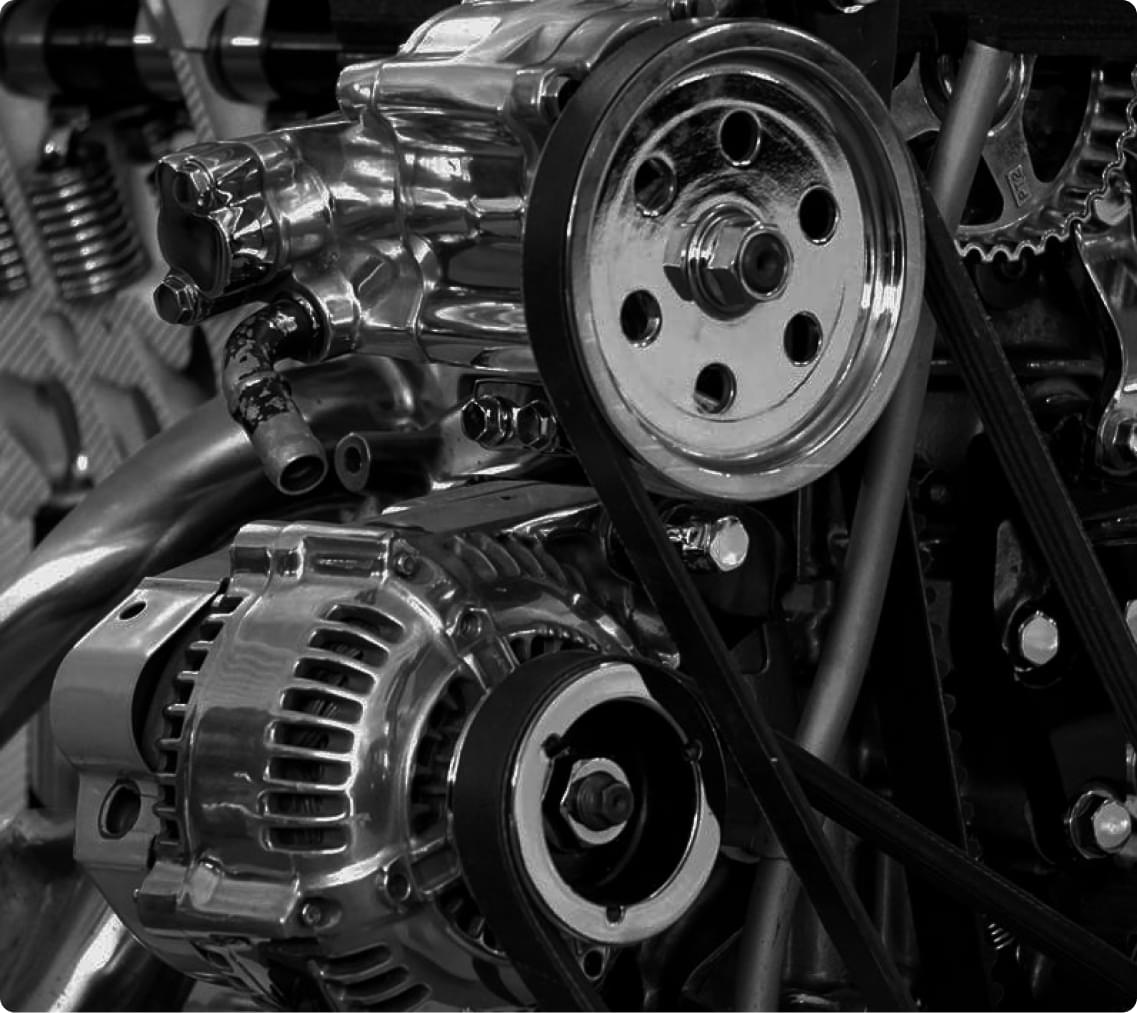
What information about the engine can be obtained?
Metals of wear – provides information about which unit is subject to wear, whether the wear is predicted or critical, related to some problem.
Pollutants – substances that are not contained in fresh lubricant and are the result of uncontrolled pollution – water, fuel, dust, soot, glycol, sodium and potassium salts.
The state of the oil – viscosity, viscosity index, oxidation, nitration, sulfation, detergent ability – information on how the state of the lubricant changes during operation
Additives – active elements that allow you to control the production of lubricants, foreign lubricant, and therefore the culture of lubricant maintenance at a particular unit.